
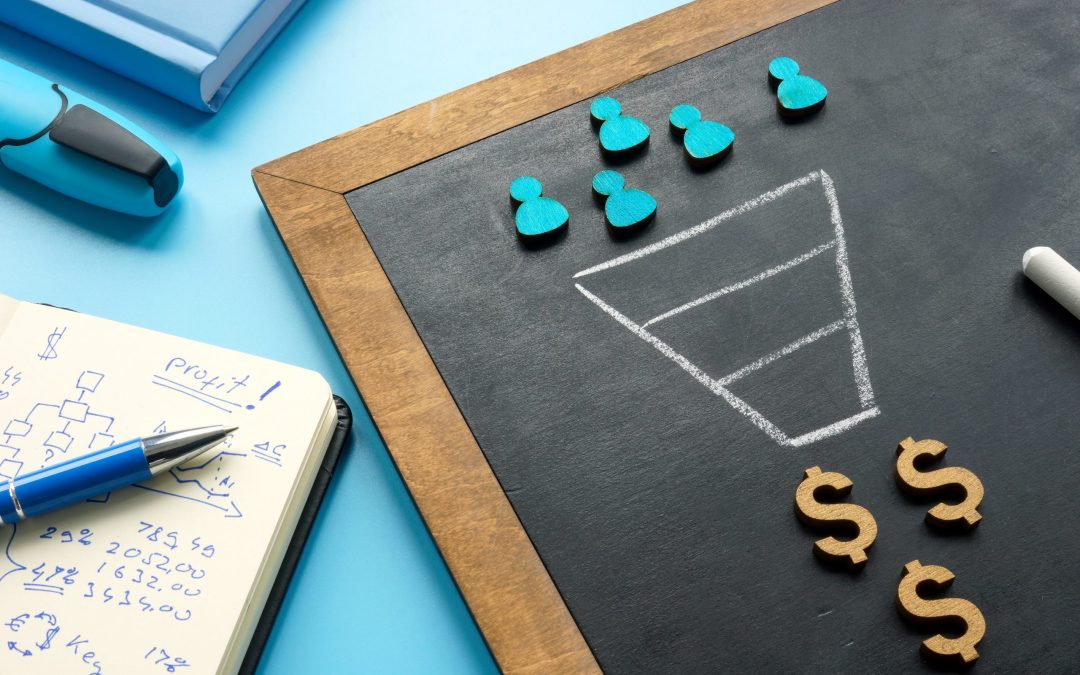

If you’ve ever wondered why some marketing efforts feel scattered or ineffective, it likely comes down to this: they’re not aligned to where your audience is in their decision-making process.
That’s where the marketing funnel comes in.
The funnel is a framework for understanding how people move from total strangers to loyal customers. It outlines six distinct stages—each one representing a mindset shift your audience goes through. When you understand these stages, you can create smarter content, better ads, and more relevant offers that meet people where they are and move them toward action.
But here’s the thing:
The funnel isn’t linear anymore. Buyers don’t move step by step in perfect order. They skip around, loop back, and sometimes jump in at the middle. That’s why your brand needs to support all six stages at once—so no matter where someone enters, they find what they need to move forward.
Let’s break it down.
Stage 1: Awareness
This is where everything starts. The buyer doesn’t know you yet. Your job? Get their attention.
At this stage, you’re not trying to sell. You’re trying to get seen, be remembered, and make the first impression stick.
Tactics that work well here:
-
Organic and paid social media content
-
SEO-driven blog posts and landing pages
-
Google and display ads
-
Podcast interviews or PR mentions
-
Influencer collaborations
-
Referral and word-of-mouth marketing
You might not see immediate conversions from awareness campaigns—but they’re foundational. People can’t buy from a brand they’ve never heard of.
Stage 2: Discovery
Now they’re curious. They’ve seen your name once or twice. Maybe they visited your website, liked a post, or watched a video. This is where you start to build trust and help them explore.
Your job here is to inform and engage without overwhelming.
Strong discovery tools include:
-
Short explainer videos or product walkthroughs
-
Webinars or live sessions that offer value
-
Testimonials, case studies, or before-and-after stories
-
Educational blog content
-
Free trials, samples, or downloads
You’re giving them reasons to stick around, learn more, and start imagining themselves as your customer.
Stage 3: Evaluation
This is approaching decision time. Your prospect is actively weighing their options—and you’re one of them.
They’re asking:
-
Is this the right solution for me?
-
Is it worth the price?
-
Can I trust them to deliver?
Support this stage with:
-
Product comparison charts
-
Detailed feature and benefit breakdowns
-
Clear pricing and guarantees
-
Strong FAQs and knowledge base content
-
Personalized consultations or assessments
-
Transparent reviews (even 4-star ones!)
The more clearly and confidently you present your value, the easier it is for buyers to choose you.
Stage 4: Intent
At this point, they’re almost ready to buy—but they need a final push. They might have the tab open. They might have signed up for emails or added something to their cart. Your job now is to make it irresistible to follow through.
Strategies to use here:
-
Retargeting ads that remind them what they viewed
-
Time-sensitive offers, bundles, or promo codes
-
Personalized recommendations based on browsing behavior
-
Cart abandonment emails
-
Messaging around scarcity or urgency (“almost sold out,” “limited-time”)
-
Social proof near CTAs—e.g., “2,000+ people have already ordered”
It’s about tipping the scales. They’re close—help them cross the line.
Stage 5: Purchase
They clicked “buy”—great. But don’t disappear now.
This stage is where the transaction happens, but more importantly, it’s where your reputation is either confirmed or questioned. People don’t just remember the product—they remember the experience.
A few ways to make the purchase stage excellent:
-
A smooth, mobile-friendly checkout
-
Multiple secure payment options
-
Fast and reliable shipping
-
Clear confirmation and next-step emails
-
A thoughtful thank-you or surprise bonus
-
Easy access to help if something goes wrong
The goal here isn’t just to close the sale. It’s to make them feel good about the decision they just made.
Stage 6: Loyalty
Loyalty isn’t automatic—it’s earned.
This is the most overlooked part of the funnel, but also the most profitable. Acquiring a new customer is expensive. Keeping one? That’s where real growth happens.
Ways to foster loyalty:
-
Follow-up emails with helpful product tips
-
Requests for reviews (with incentives)
-
Exclusive offers for returning customers
-
Loyalty or rewards programs
-
Invitations to join a private community
-
Ongoing education through email, video, or content
-
Remarkable customer support when it counts most
Loyal customers don’t just buy again—they refer others, leave glowing reviews, and help fuel organic growth. That’s why this final stage deserves just as much attention as the first.
What A Well Supported Funnel Looks Like
When each stage of the funnel is supported, your marketing stops feeling like guesswork and starts functioning like a system. You’re no longer relying on a single post or ad to carry the entire message—you’re guiding people through a complete experience. That means cold leads have a clear entry point, curious prospects can find the information they need, and ready buyers are given a reason (and the confidence) to take action.
For example, imagine a local dog owner sees a Facebook ad featuring a before-and-after grooming transformation (Awareness). They click through to your website and read a blog post on how to prep their anxious dog for grooming (Discovery). Then, they browse your service menu and read reviews from other pet parents (Evaluation), sign up to get 10% off their first visit (Intent), and receive a reminder email with a link to book (Purchase). After their appointment, they get a thank-you text and a discount for referring a friend (Loyalty). That’s what a well-supported funnel looks like—each step building trust, answering questions, and nudging them naturally to the next.
Why This Funnel Still Matters (Even if Buyers Jump Around)
In the age of TikTok trends and AI tools, some marketers claim the funnel is dead. But what’s really changed is how people move through it. It’s no longer a predictable path. One buyer might spend weeks in the discovery stage, while another jumps straight to purchase after seeing a single review that truly resonated. Some come back after months. Some convert instantly.
That’s why your strategy needs to meet people where they are—not where you wish they’d be.
When your marketing supports all six stages, you:
-
Build brand awareness and recall
-
Increase trust and credibility
-
Improve conversions and reduce drop-off
-
Maximize lifetime customer value
-
Waste less money on tactics that miss the mark
Ready to Strengthen Your Funnel?
If you’re unsure where your buyers are dropping off—or which stages need more attention—we can help. At Raine Digital, we don’t just throw marketing tactics at the wall. We build full-funnel strategies that align with how modern buyers think, move, and buy.
Reach out today and let’s create a marketing funnel that actually converts.